
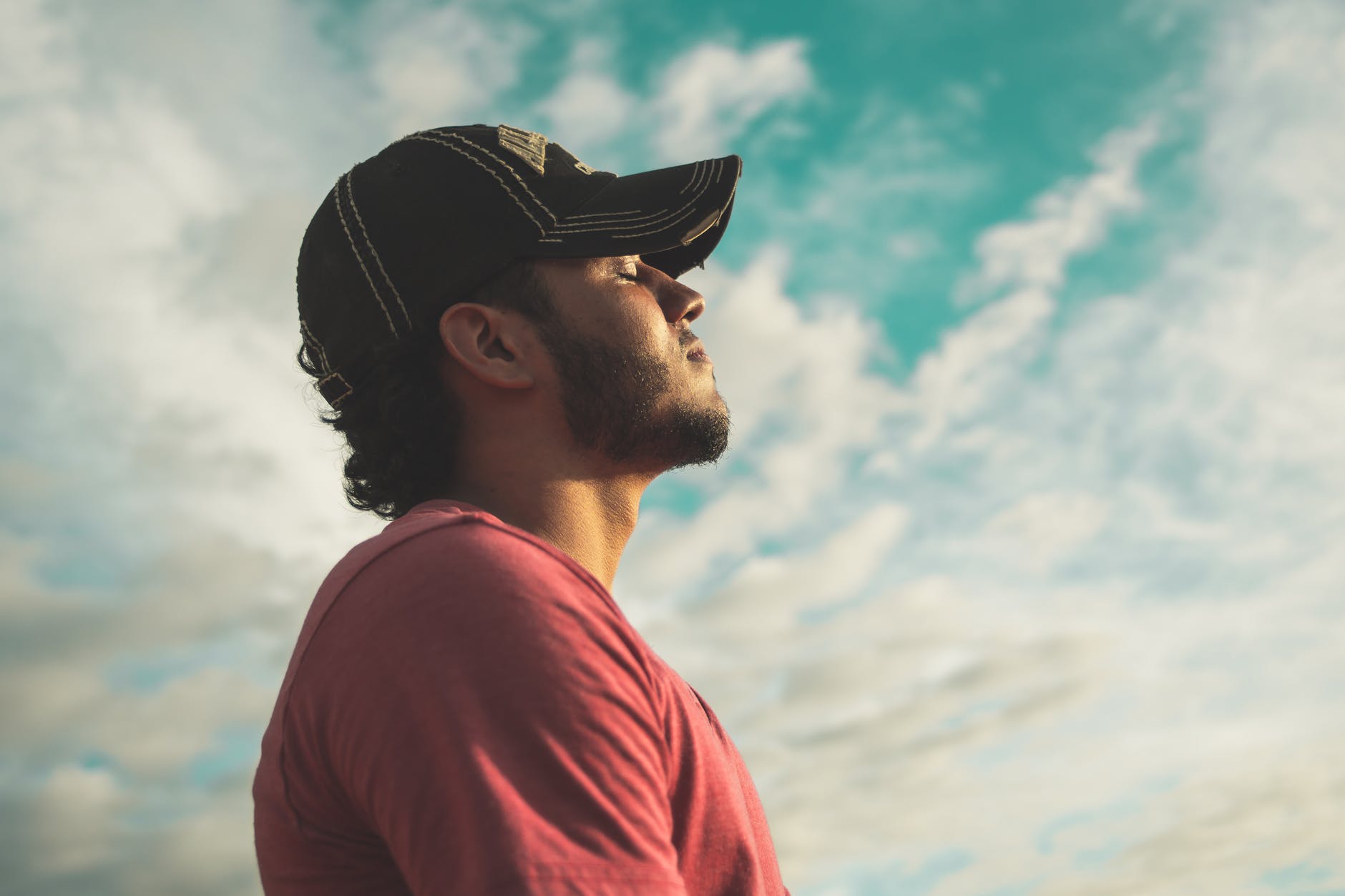
breathing – ancient origins.
About four years ago a good friend of mine Geoff Rupp introduced me to Vedic meditation. Whilst this ancient practice has been around for over 5ooo years I wasn’t aware of the science based benefits of breathwork until I connected with Rory Darkins and Graham Dakins co-founders of whatsright.ai.
Back in 2019 I started to learn more about breath work and how connected breathing is to our nervous system, our mental state and our emotions. Up until this point I imagine like most people breathing is pretty simple.
But are we breathing right?
science-based studies.
More recently journalist James Nestor travelled the world to figure out what went wrong [with our breathing practices] and how [we can] fix it… Nestor tracks down men and women exploring the hidden science behind ancient breathing practices like Pranayama, Sudarshan Kriya, and Tummo and teamed up with pulmonary tinkerers to scientifically test long-held beliefs about how we breathe.
There is nothing more essential to our health and well-being than breathing: take air in, let it out, repeat 25,000 times a day. Yet, as a species, humans have lost the ability to breathe correctly, with grave consequences.
James Nestor, Breath
This article from the American Physiological Society also provides a great overview about the connection between breathing and the sympathetic nervous system which directs the body’s rapid involuntary response to dangerous or stressful situations (fight or flight).
Professor Jack Feldman from UCLA also provides a fascinating presentation on some of the scientific research on how complex the the body’s breathing system is too. The video link below (just under an hour) explores some of the research discoveries in more detail which is fascinating for those of you with a more scientific interest.
https://www.youtube.com/watch?v=c8WYJ3QwIpQ
Slow breathing can be done anywhere and is noninvasive. That’s the wonderful thing about it. There are no side effects. It’s cheap. And everyone has had the experience of taking a single deep breath—you take one, and you feel it; it’s relaxing. Imagine doing that for 30 minutes and on a regular basis.”
Jack Feldman, PhD
a simple routine each day.
During these uncertain times breathing right has become even more critical for us all to incorporate into our daily lives. It impacts people across all walks of life from front line health workers wearing clinical masks all day, people at home building resilience for endless end to end video calls or for people seeking employment or changing careers finding clarity and building healthier routines.
Reflecting on my own personal experiences finding time to meditate or even practicing simple breathwork techniques can help provide greater clarity, energy and focus for the day ahead.
The main reason for setting up Wellbeinz Coaching was to share some of these lesser known well-being practices such as breathwork, positive psychology and supportive digital tools to help people build healthier routines and stronger positive mindsets.
I’ve started to work with more people who are at a cross road in their career / lives (searching for a new job or changing careers) and I’m also starting to get more enquiries from organisations that need help with more specific tailored employee wellbeing programs especially as more organisations continue with ongoing or hybrid remote working.
try this.
Try this simple breathwork exercise at home, walking the dog, before your video call, before you start the day or before bedtime and let me know how you go.
Simply inhale through the nose for six seconds, and exhale for six seconds. It’s great way to slow the heart rate, increase blood circulation and to feel more calm and centered. Take a few minutes out of your day to do this, you’ll start to feel the benefits immediately.
Please feel free to reach out if I can help in anyway or simply just promote positive breathwork practices to people in your lives who need some additional support right now.
Chris
Be the Better You.
 Welcome page